Phil Grant, a longtime Mount Kembla resident has kindly provided several snippets around Mt Kembla topics, vignettes which illustrate aspects of that historic village.
Windy Gully Workman’s Club
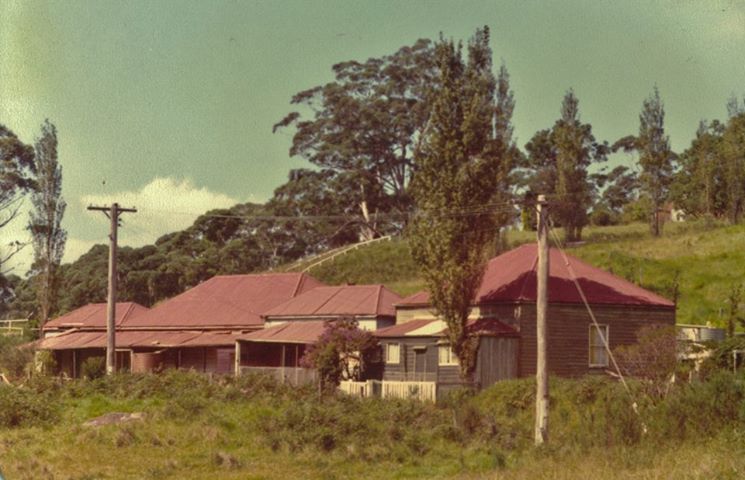
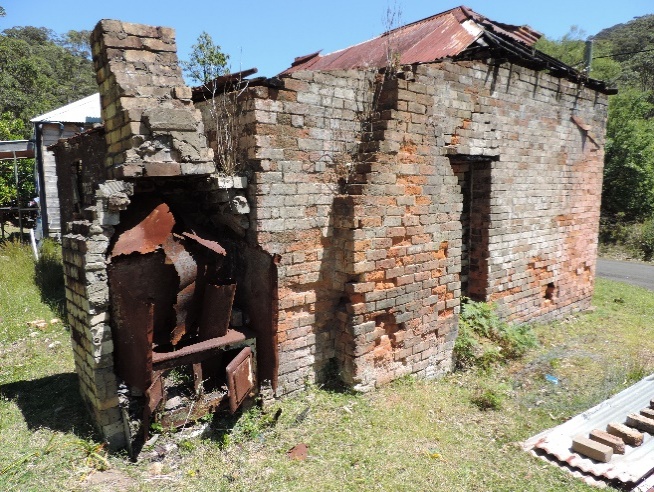
In the late 1800s there were no close hotels for the Mount Kembla miners to quench their thirsts after a hard day’s work. Figtree hotel meant a long journey in those days and numerous attempts to open one in Mount Kembla were put forward. Opposition came from the no alcohol ban by the Methodist and Presbyterian churches. However, in 1896 a gambling licence was granted and the Workman’s club was built. This was the second gambling licence issued outside of Sydney.
A committee was formed to run the Workman’s club and alcohol was sold. Under much pressure from the Temperance Movement the club closed in 1905. The buildings were then rented out to mine workers. Unfortunately, fire destroyed most of the buildings with some ruins still there today.
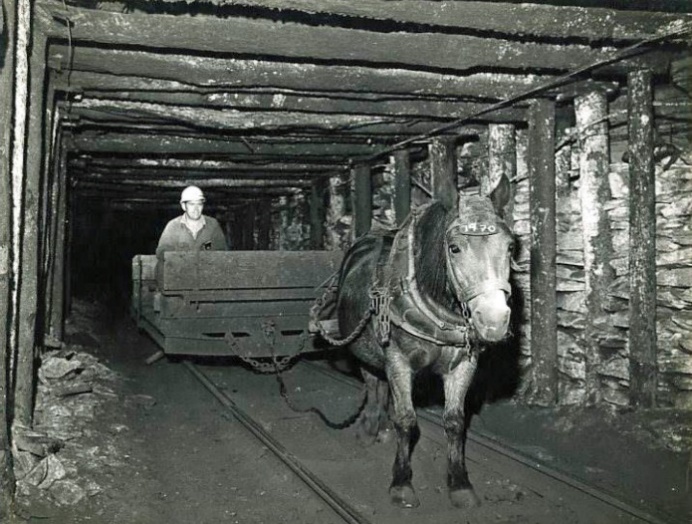
Pit Ponies at Mount Kembla Colliery
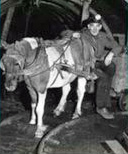
In 1883 when Mount Kembla Colliery first opened, pit ponies were used to bring the coal skips to the surface. As the mine extended endless rope haulage was used and the ponies would haul the coal skips to the haulage headings and the skips clipped onto the endless rope system to the surface. Each weekend the horses would be brought to the surface and let loose to run up to the Windy Gully paddocks (Masons).
Horses knew how many skips that could be clipped on and if one more than normal was clipped they refused to pull them. Hence, they believed the horses could count. When AI&S bought the colliery in 1946 they began to mechanize the mine. A lot of mines continued to use horses to pull timber into the return airways to replace props long after the horses stopped hauling coal skips.
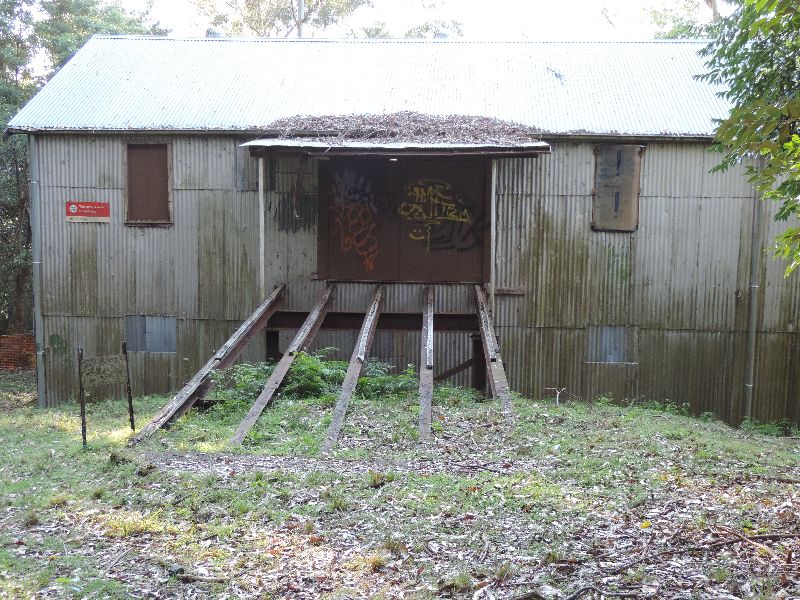
The original stables below the Tippler flat started to erode so in 1954 a new set of stables were built and that is the only remaining building on the colliery site.
Pioneer Kerosene Works at Mount Kembla
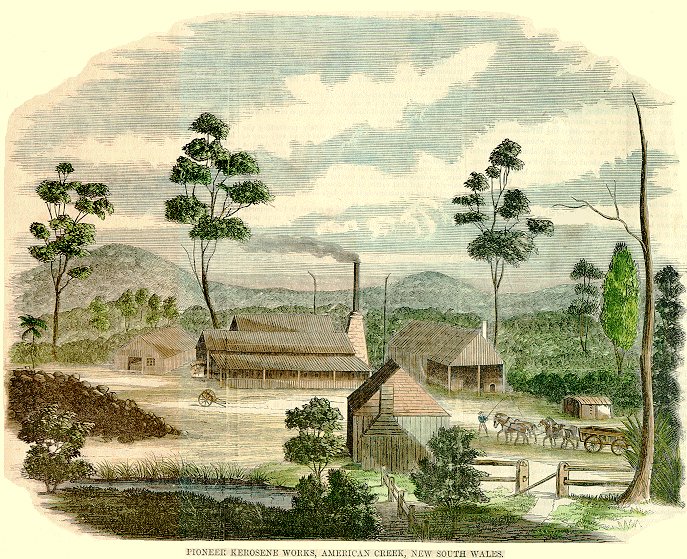
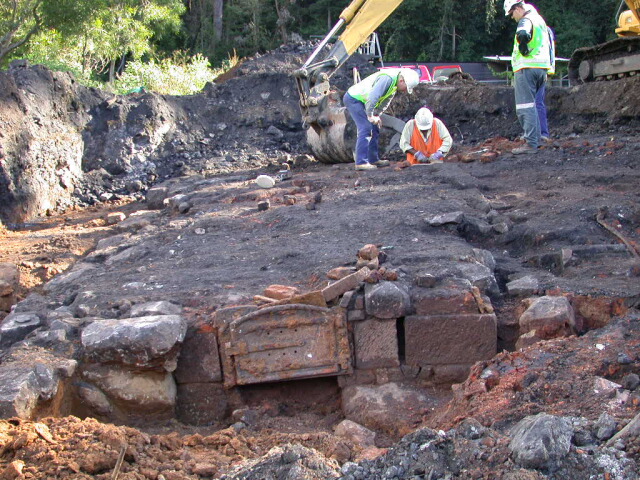
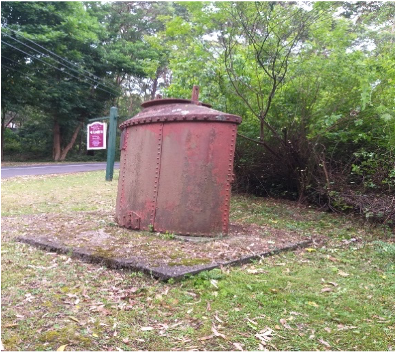
The very first industrial works at Mount Kembla was the Pioneer Kerosene Works built in 1865 after oil bearing shale was discovered in 1849. A number of furnaces were built to fire the retorts which contained the broken shale to release the oil and then refined to kerosene to be sold. The shale mine went under the present day Dendrobium Offices.
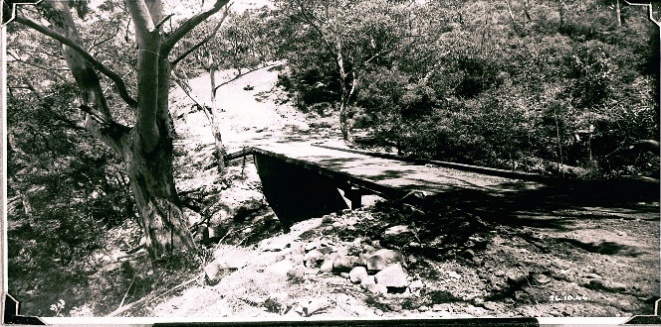
The road in went off Cordeaux Road, just behind the retort that is there now, and was called the Kerosene track. Only one of the abutments remain of the bridge over American Creek. The works closed in 1878 when the Mount Kembla Coal company bought the works.
1.1million gallons of oil were produced over the period of operation.
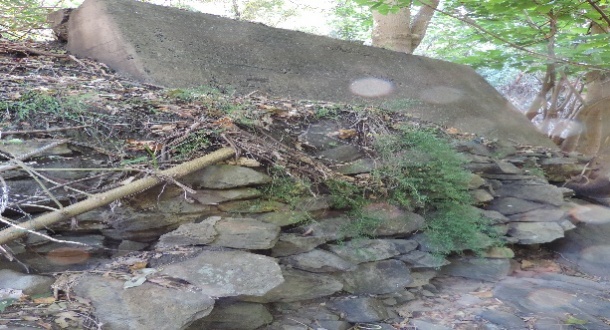
Nebo/Dendrobium Colliery Surface Decline Conveyor
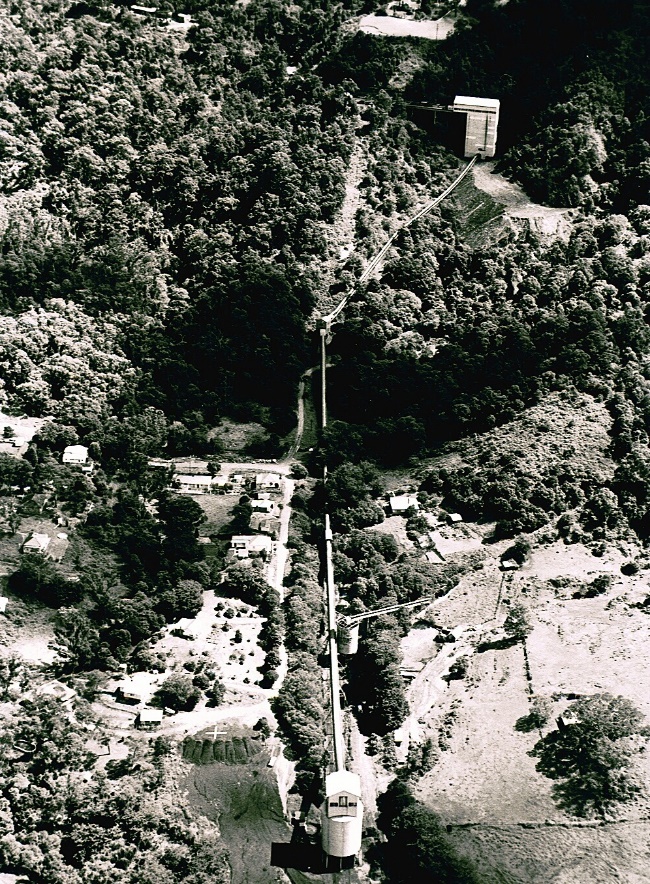
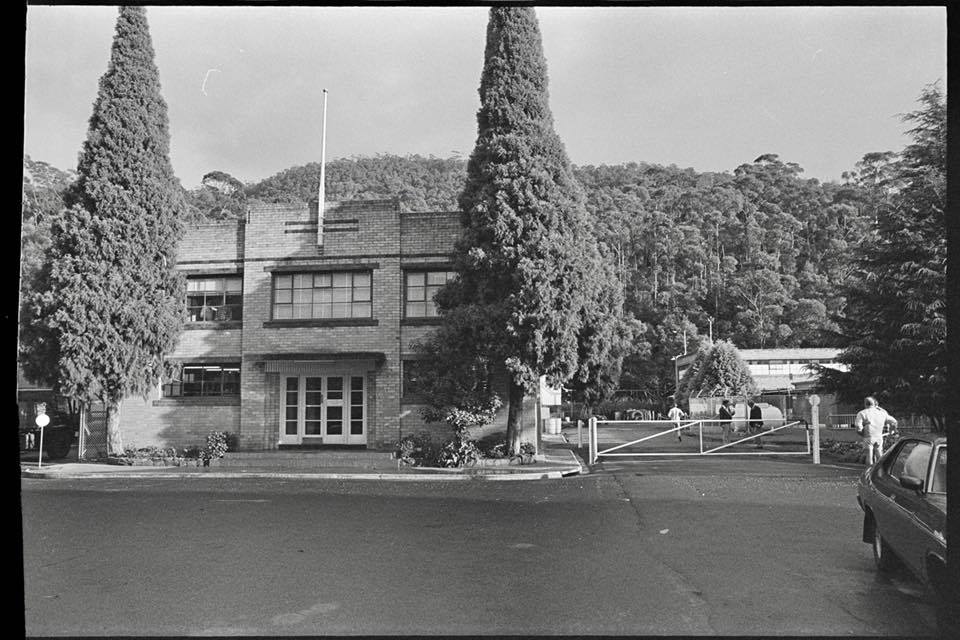
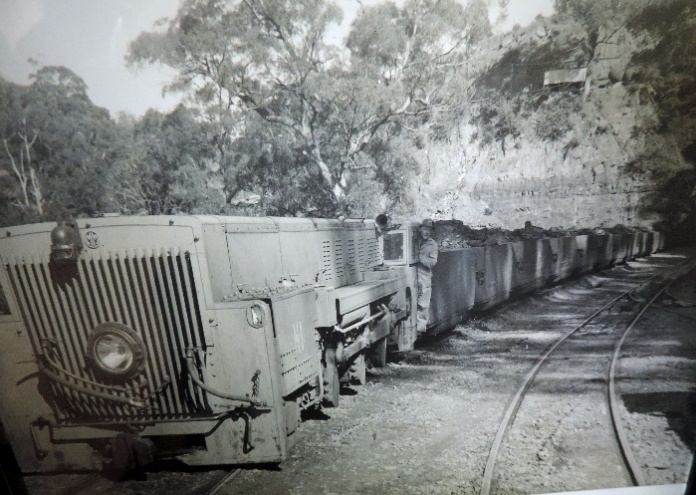
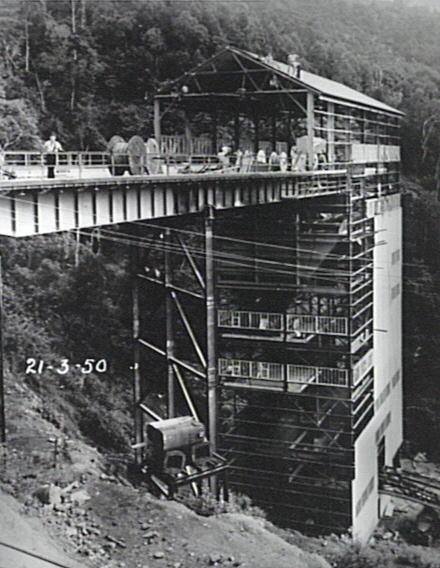
AI&S opened Nebo Colliery as a fully mechanized mine in 1946 after they purchased the Mount Kembla Colliery along with this green field site. Beside the surface installations and portal into the Wongawilli seam a Bradford Breaker and Decline Conveyor were installed to bins down at Kirkwood Place. Nebo operated until the late 1990s until new headings were driven just north of the Nebo portals and renamed Dendrobium in 2001. Coal was brought out of the mine in 10 ton skips hauled by 25ton diesel locomotives, and emptied into the Bradford Breaker.